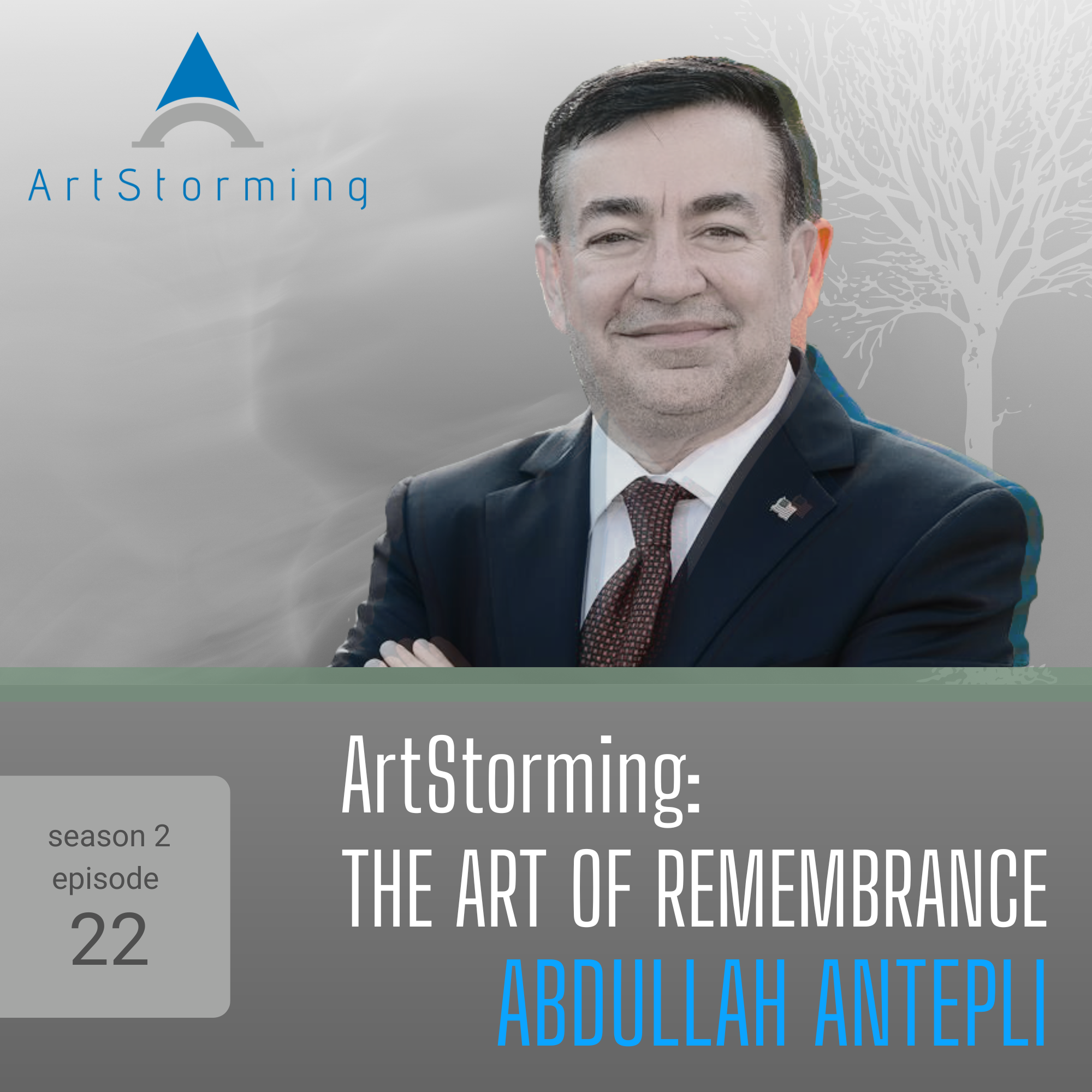
Abdullah Antepli
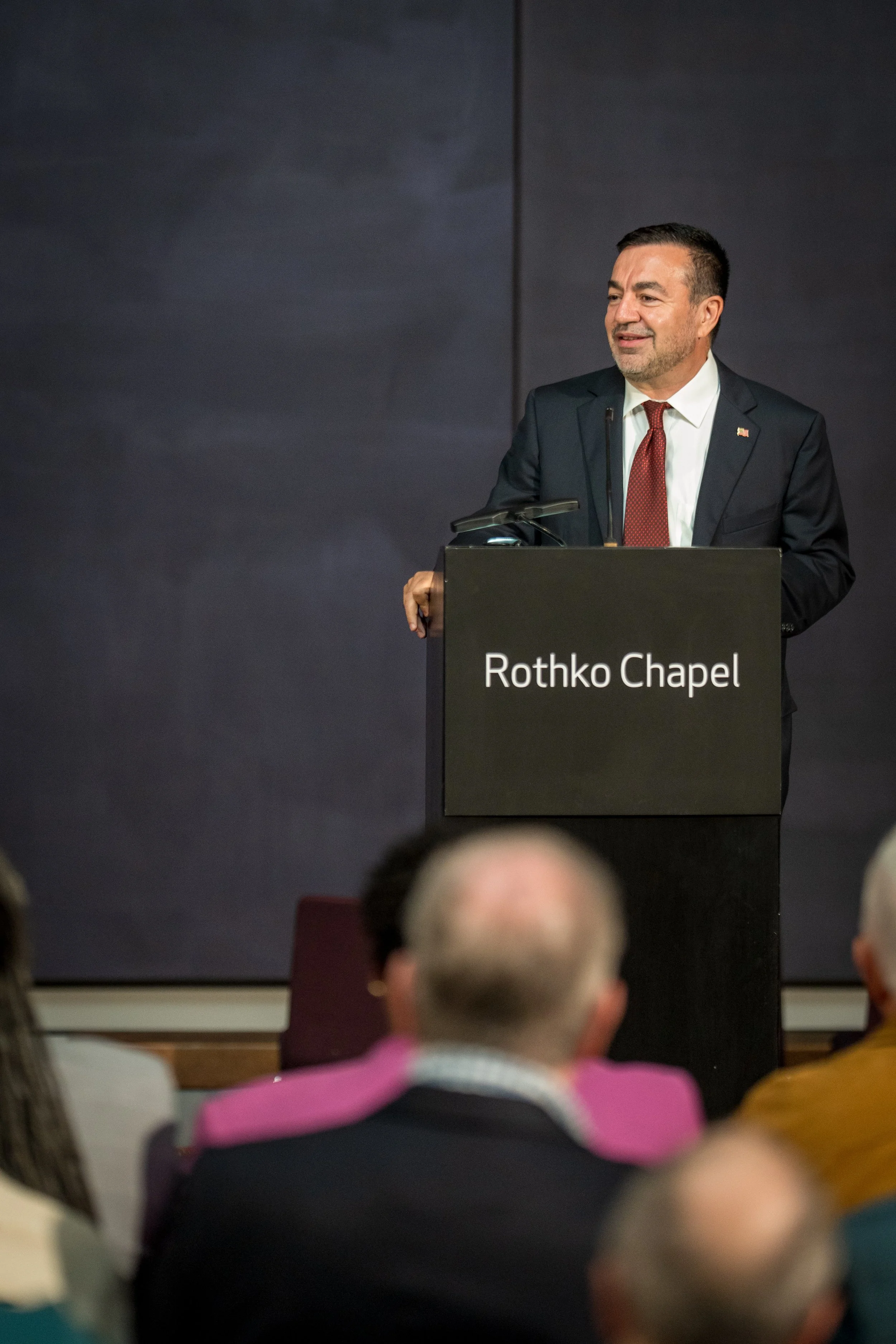
Something is breaking in how we talk to each other, and yelling louder is not fixing it. Lili Pierrepont sits down with Abdullah Antepli, the newly appointed president of Houston’s Rothko Chapel, to explore a different approach: art as a sanctuary for slowing down, telling the truth about our past, and rebuilding trust across deep divides.
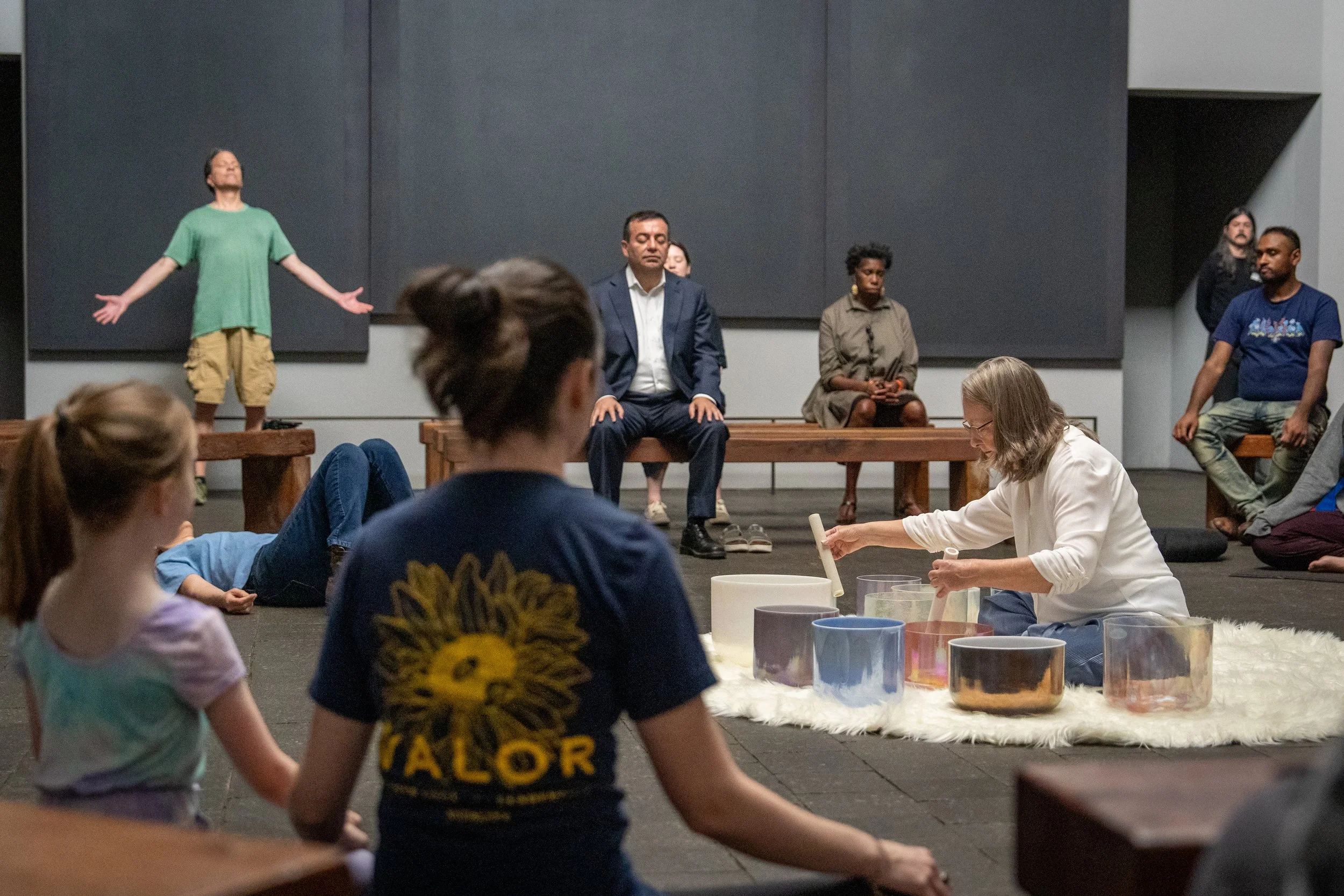
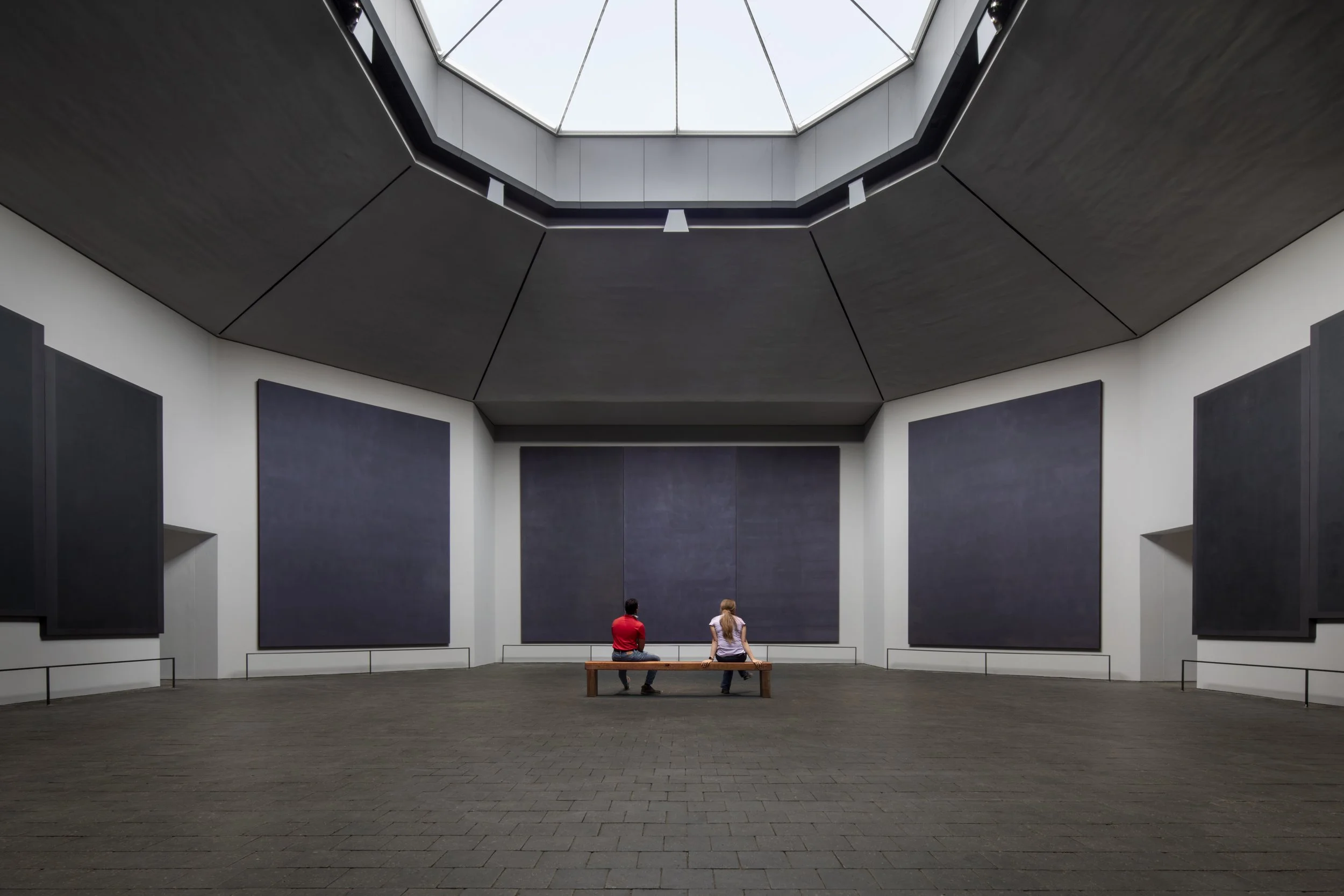
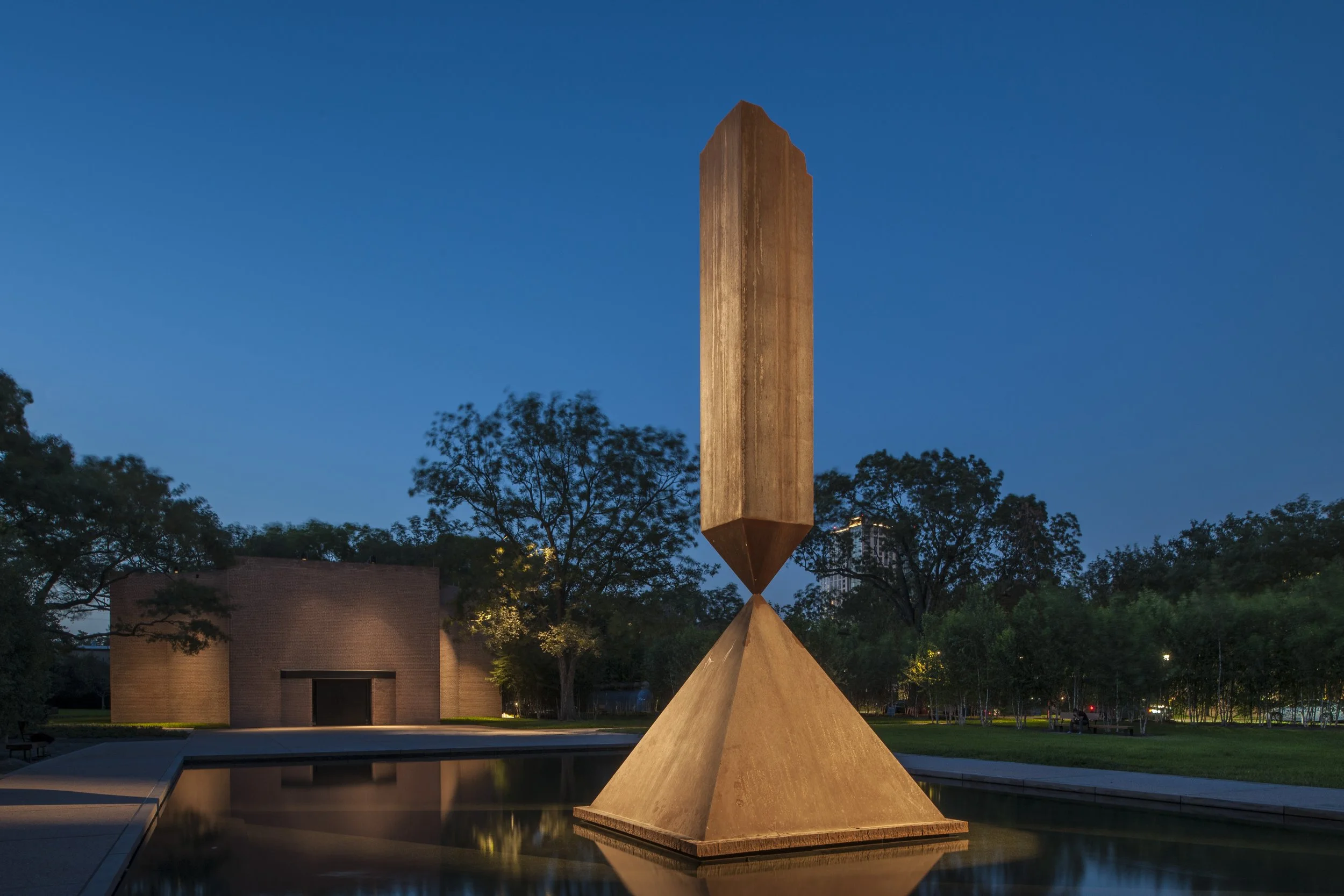
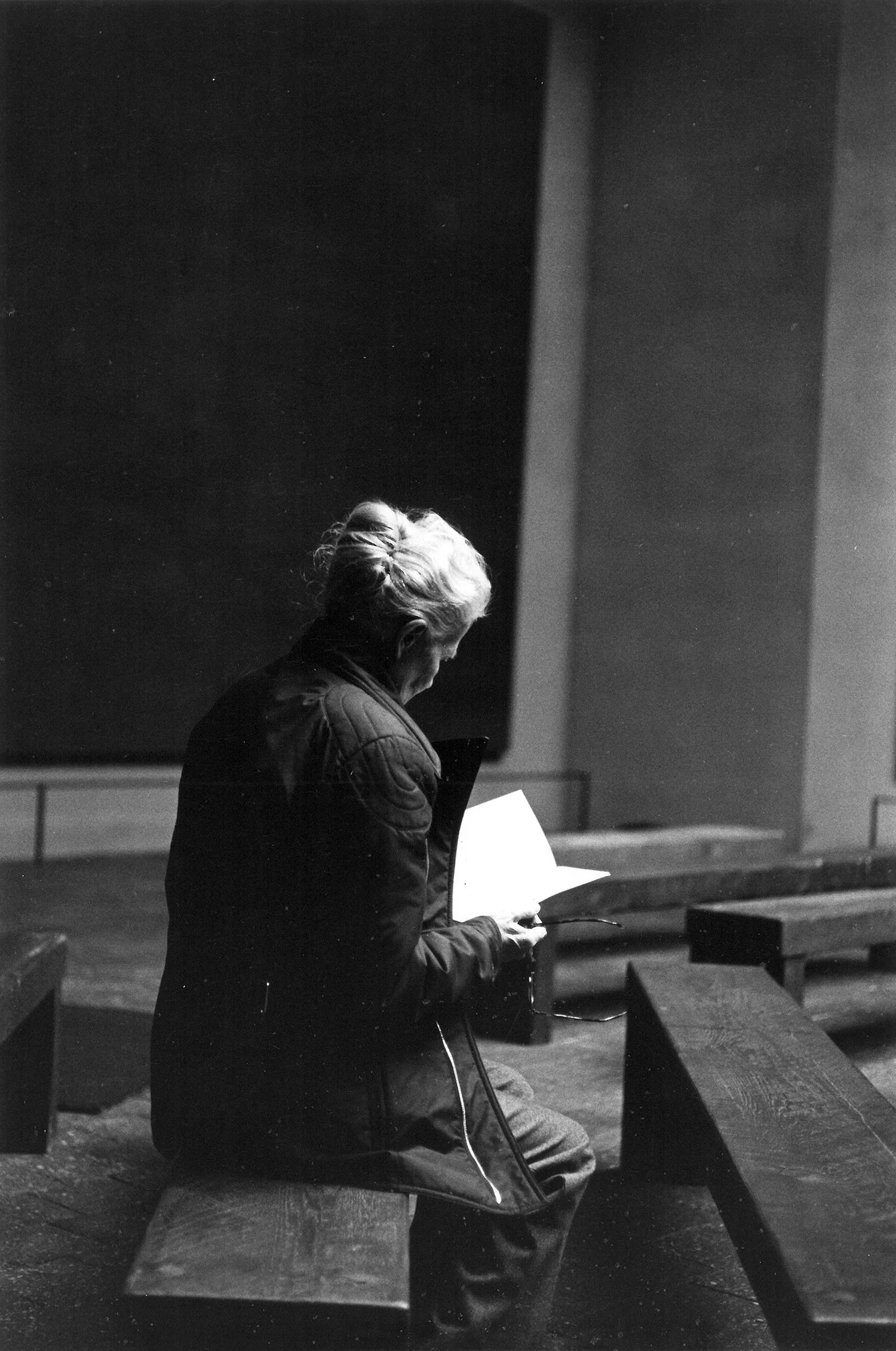
We trace the chapel’s improbable origin story and why it matters right now. Founded by French Catholic visionaries John and Dominique de Menil, shaped by the moral shock of World War II, and brought to life through the paintings of Latvian-American Jewish artist Mark Rothko, the Rothko Chapel becomes a non-denominational sacred space designed for transformation. Abdullah shares how Vatican II’s reckoning with religious antisemitism, alongside America’s own toxic legacy of racism and segregation, fuels a model of spiritual activism rooted in contemplation rather than performance.
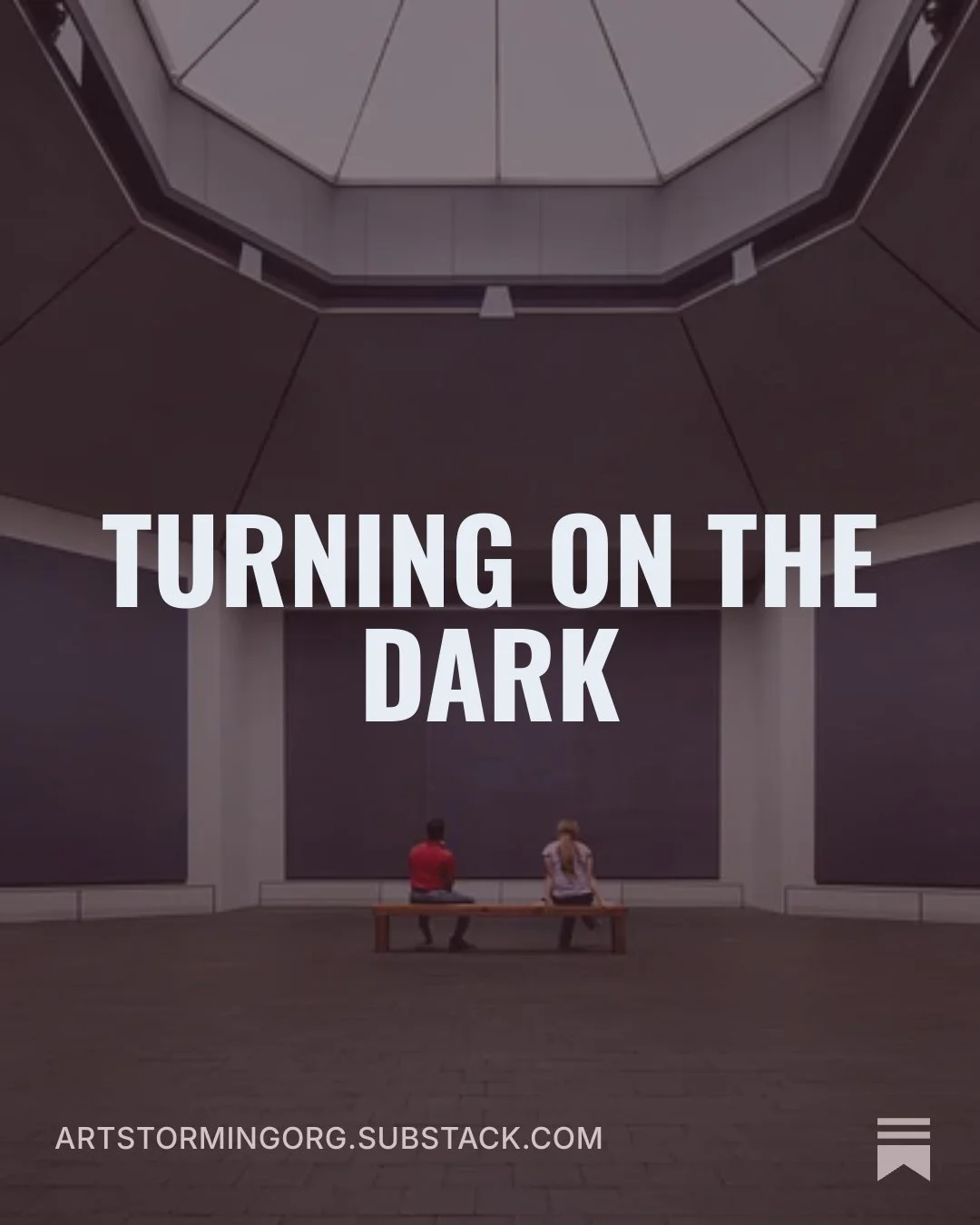
From there, we talk about what it means to reactivate the chapel as a global, art-inspired think tank for human rights, democracy, and civic renewal. Abdullah lays out emerging partnerships with institutions like the Carter Center, the Vatican’s interfaith efforts, the Abrahamic Family House in Abu Dhabi, and reconciliation-minded organizations in Japan. Along the way, he offers a moving story of a teenager who thought Rothko’s dark canvases were screens and, after three minutes of silence, felt them turn on as he faced his mother’s cancer, a reminder that attention can become a form of healing.