Harry Weil
A cemetery can be a punchline, a sanctuary, a history lesson, and a living arts venue all at once, if we let it. I’m joined by Harry Weil, vice president of education and public programs at Brooklyn’s historic Green-Wood Cemetery, to talk about how a place built for the dead is quietly becoming one of New York City’s most surprising spaces for culture, community, and honest conversations about mortality.
Green-Wood Cemetery in Brooklyn challenges the idea that cemeteries are only for endings. As Harry Weil, vice president of education and public programs, explains, Green-Wood was founded in 1838 as a rural cemetery designed as a park-like destination for the living, with landscape, monuments, and civic memory woven together. That origin story matters today because the cemetery’s modern public programming brings tens of thousands of visitors through the gates for tours, film, music, and installations. The goal is not spectacle for its own sake, but cultural stewardship: creating reasons for new generations to care about preservation, history, and the people whose stories shape New York City.
A major theme is death normalization, including the role of humor. The conversation treats grief as personal and varied, not a single correct emotional script. Cemeteries can be a place to practice a healthier relationship with mortality, where death is understood as an extension of life rather than a forbidden topic. Green-Wood’s landscape also teaches “deep time,” from seasonal dormancy to geological history shaped by glaciers. Even forever markers shift as earth moves, caskets break down, marble inscriptions fade, and headstones tilt. That reality reframes memorialization as a living process, not a fixed object.
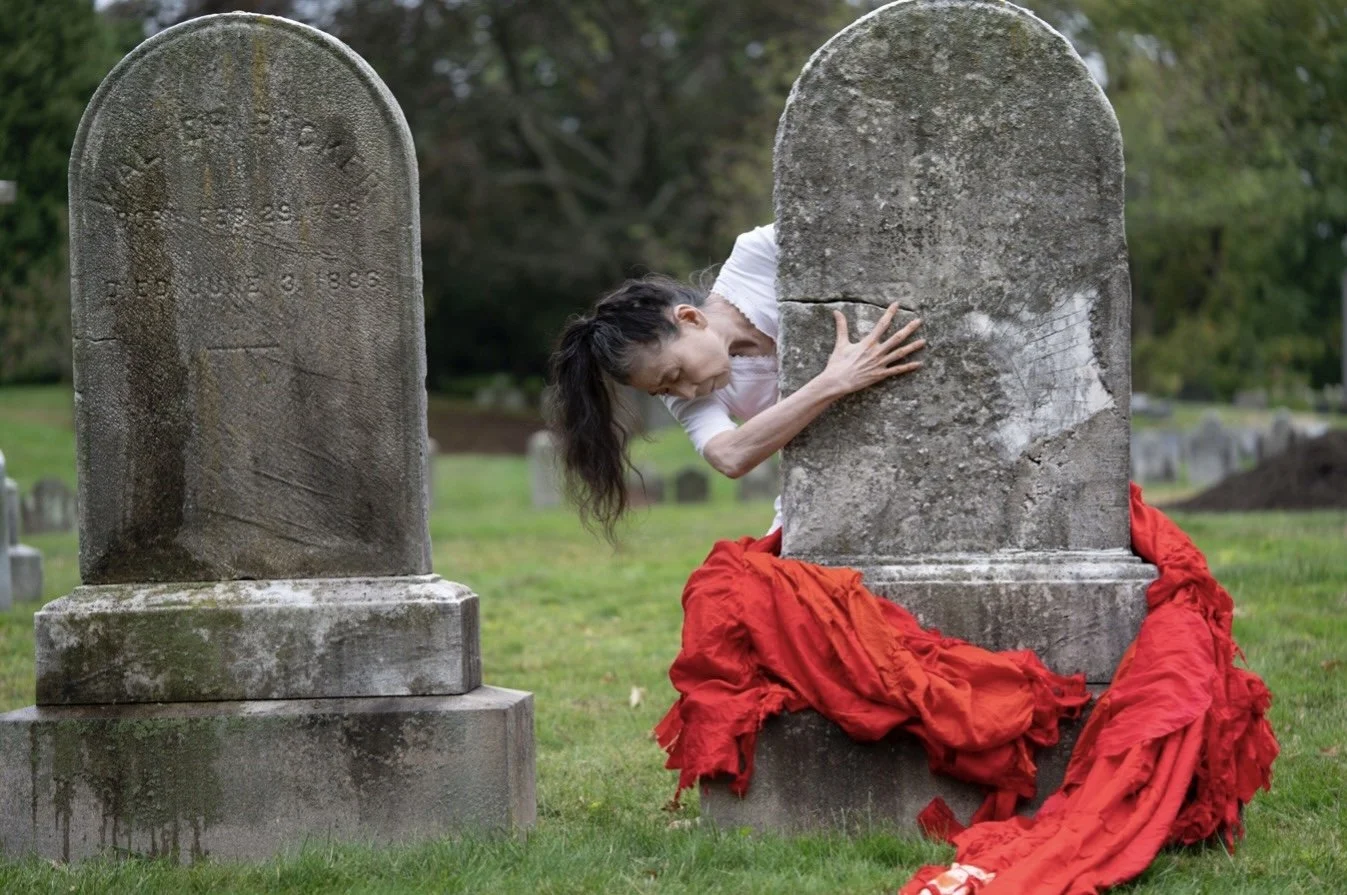
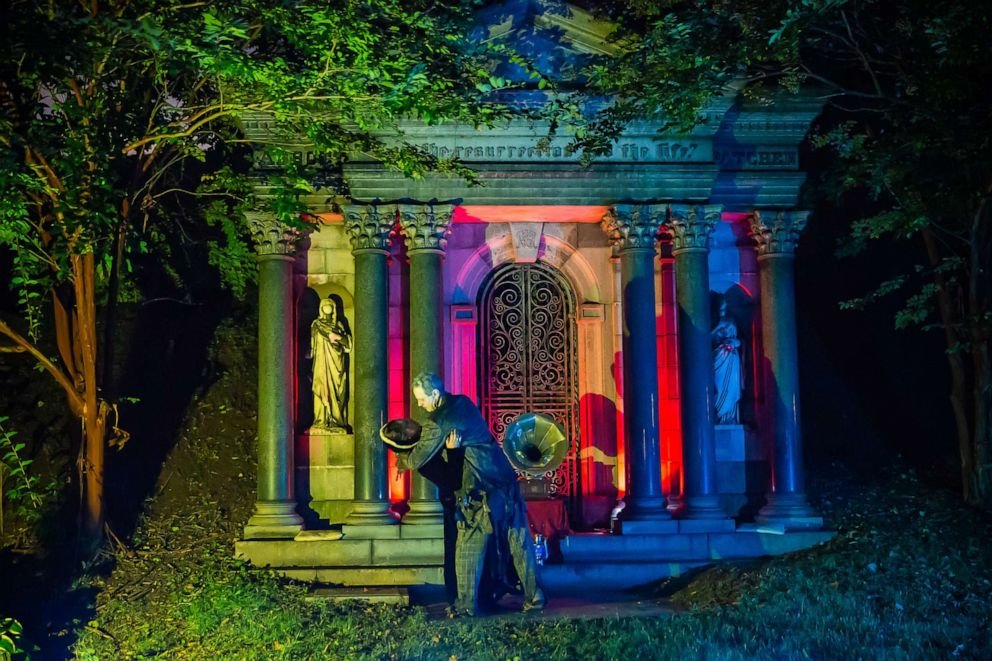
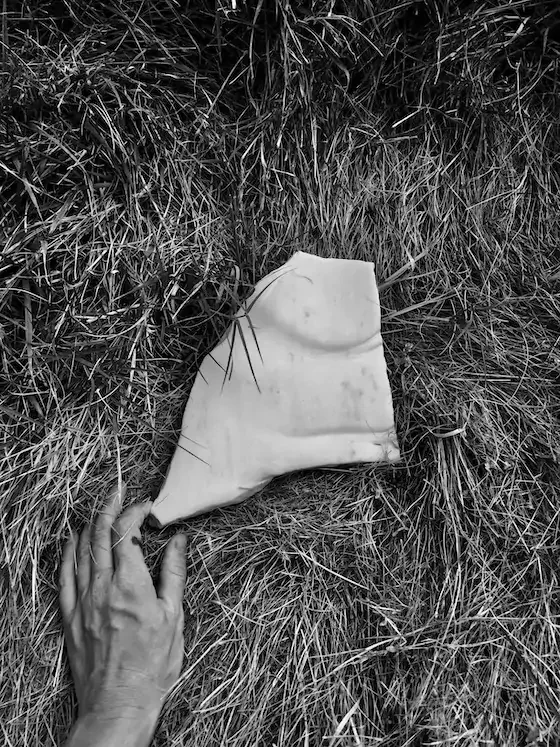
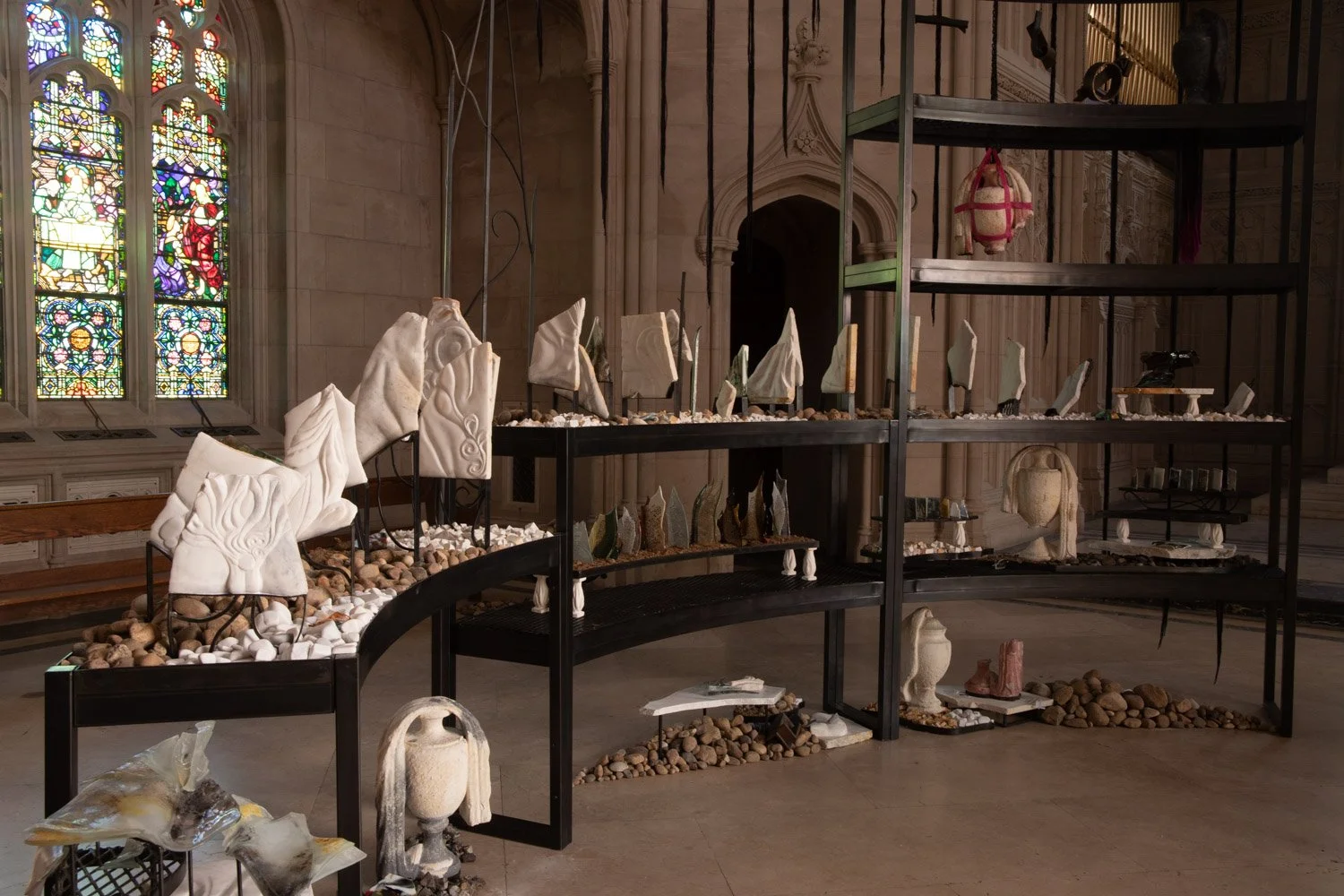
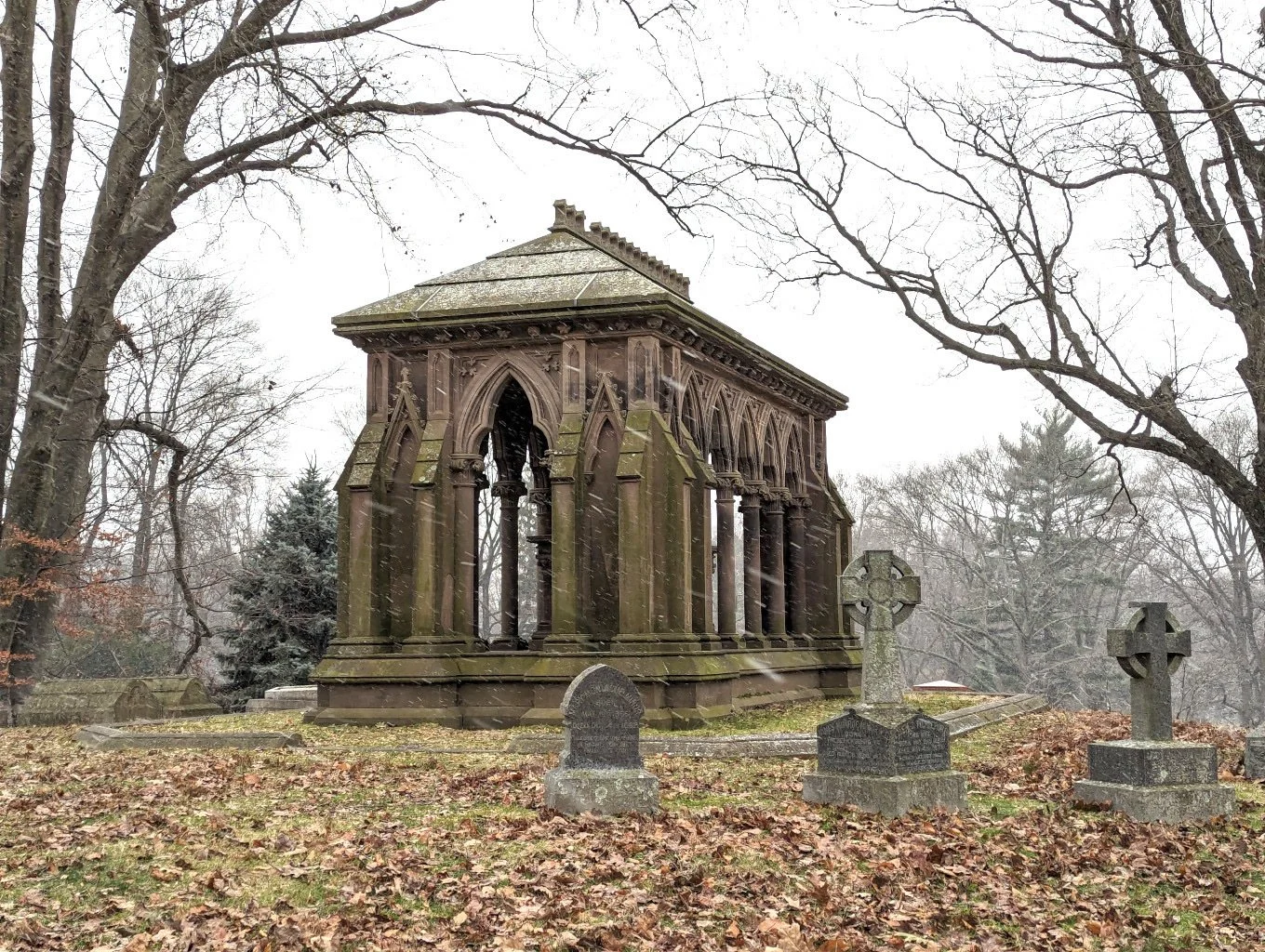
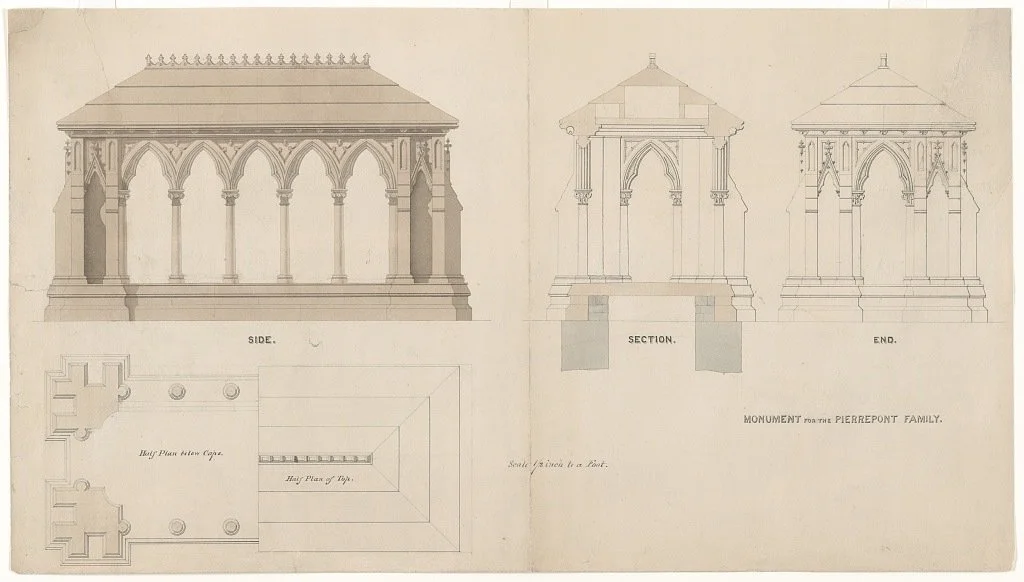
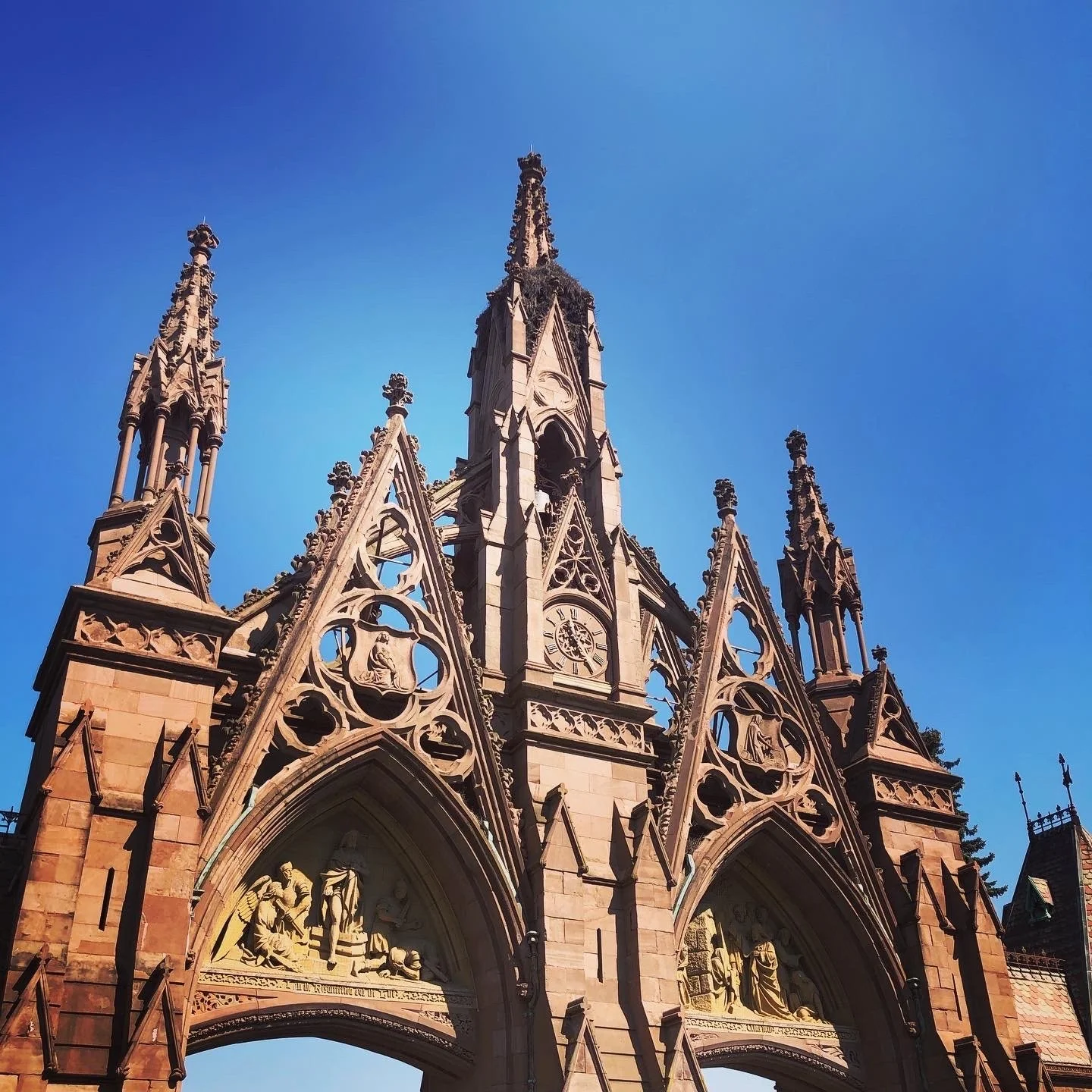
Eiko Otake in “A Body in a Cemetery,” September 2020. Photo by William Johnston
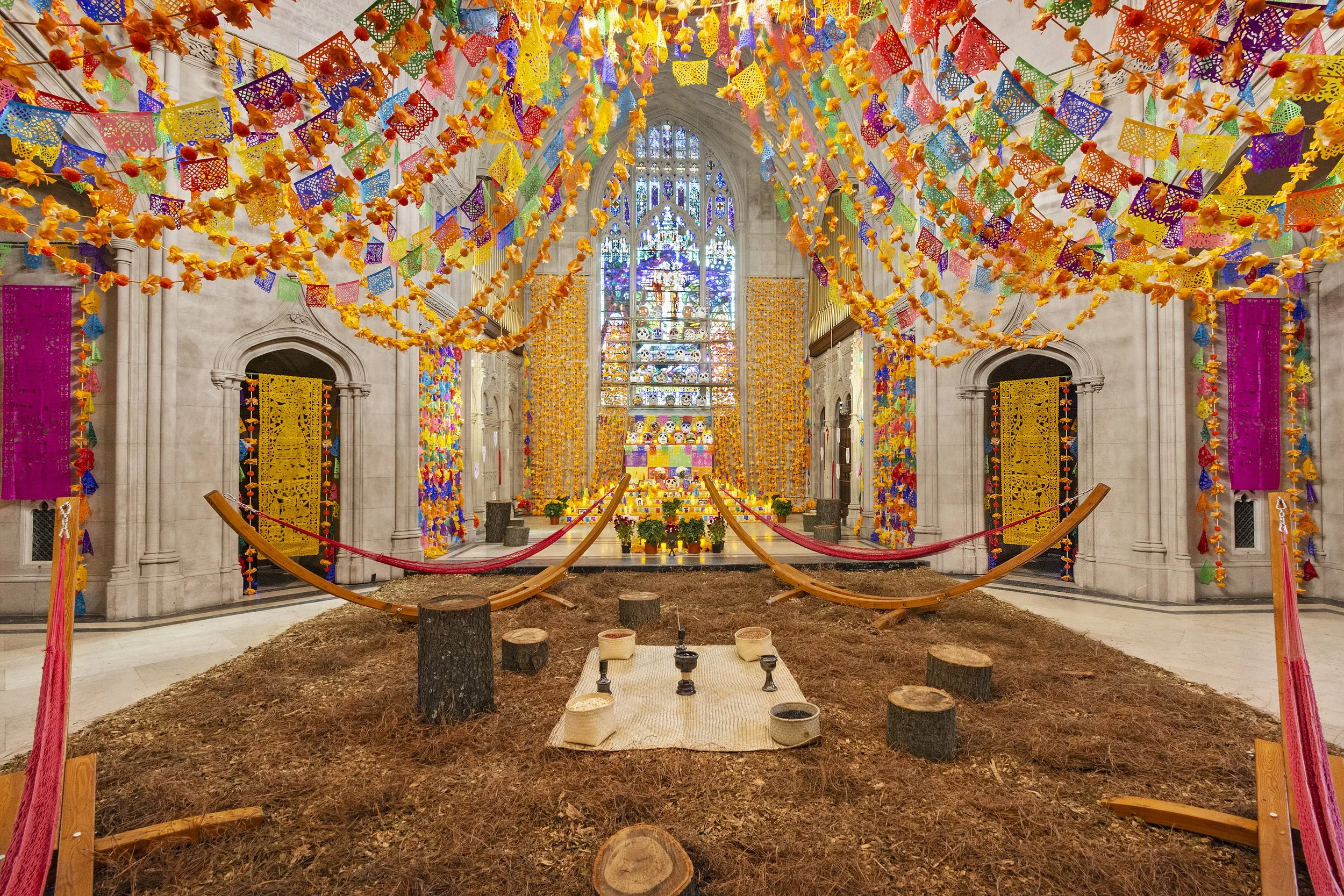
Laura Anderson Barbata, Reposo y Recuerdo, 2025. Photo by Stefan Hagen
Nightfall at Green-Wood, 2023. Photo by Maike Schultz
Rowan Renee, The Perimeter Path, 2023