Joanna Ebenstein
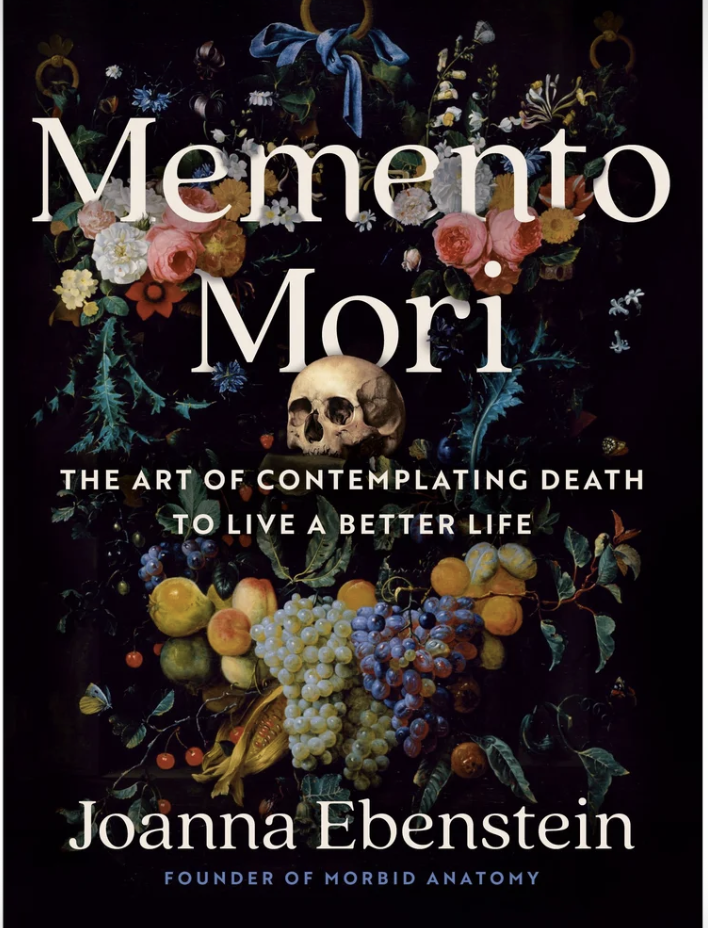
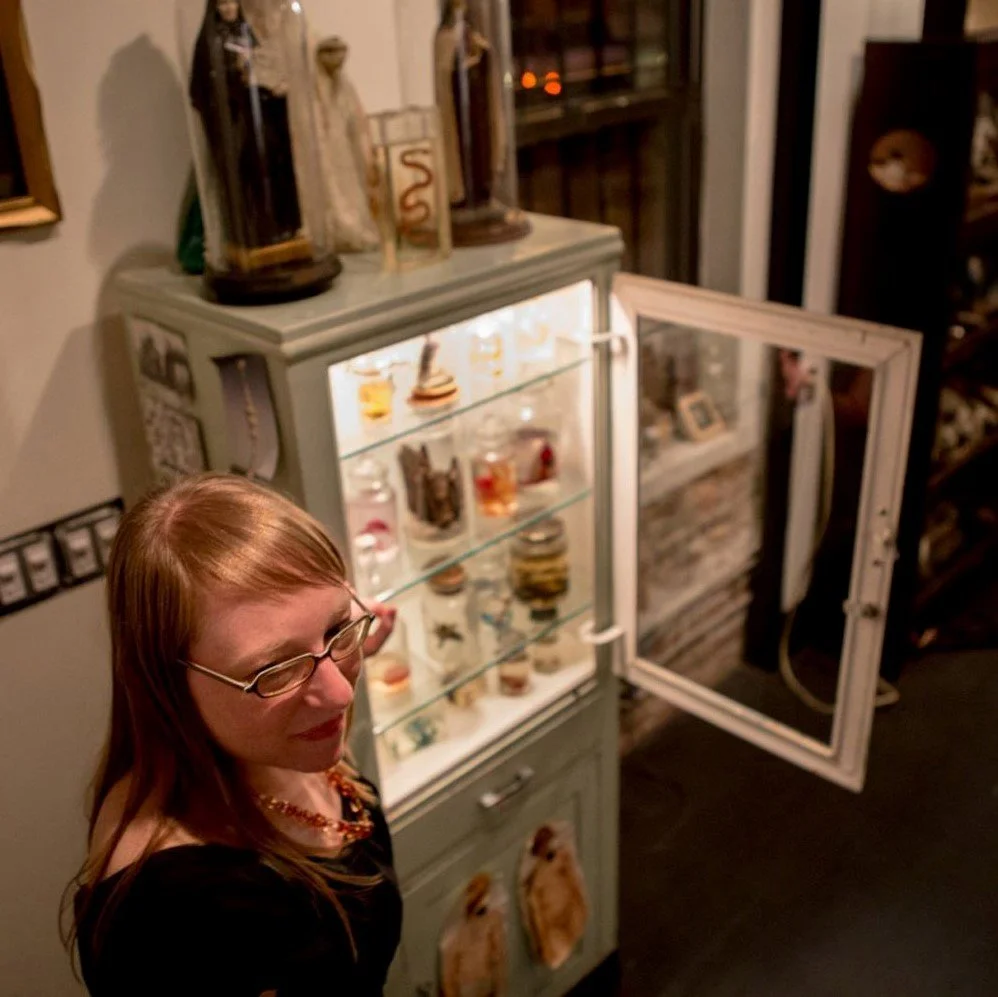
Most of us are taught to treat death like a distant problem for “someday” and then we wonder why it feels so terrifying when it finally shows up. I’m joined by Joanna Ebenstein, the founder of Morbid Anatomy, to challenge that reflex and to reclaim death as a subject that can be met with dignity, curiosity, and even beauty.
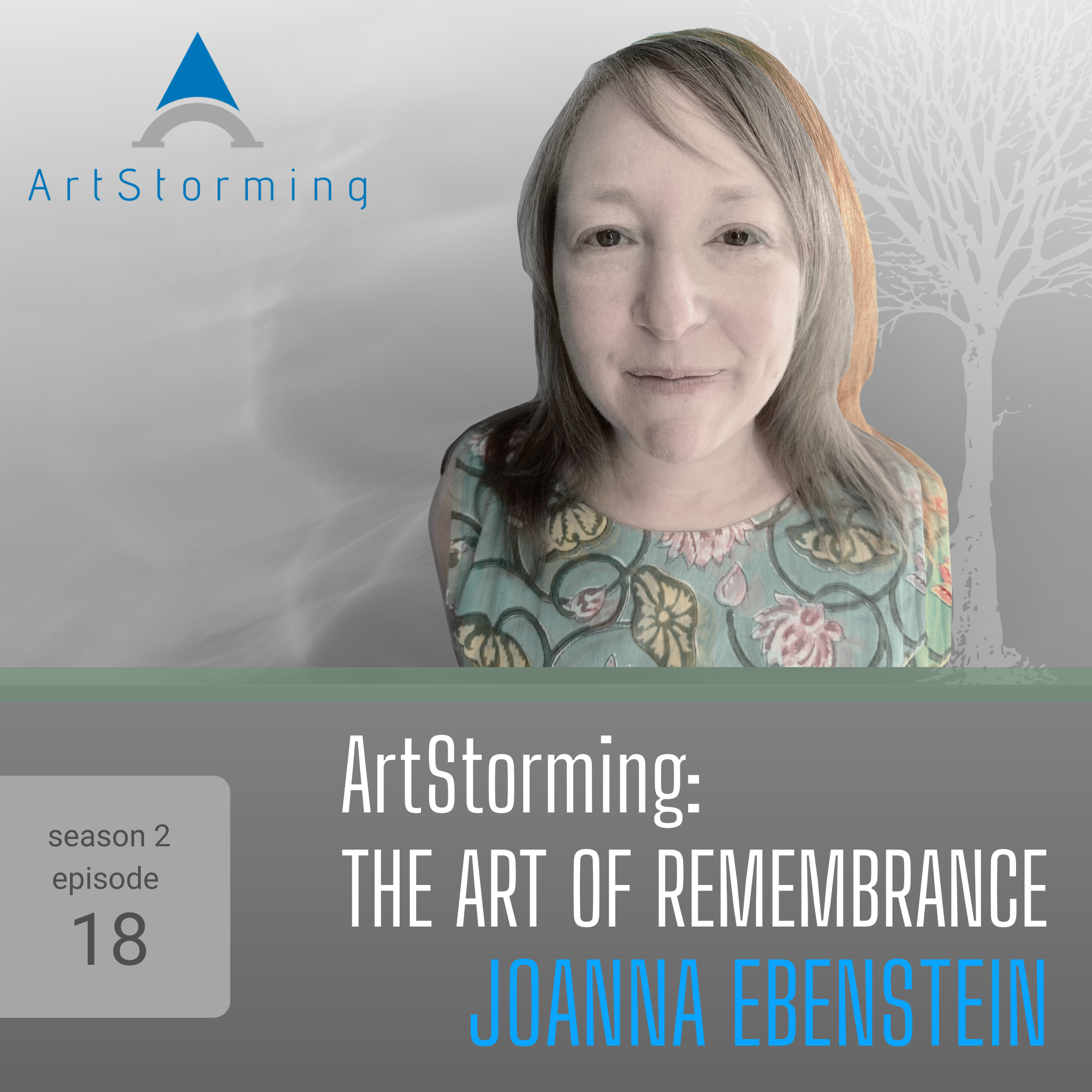
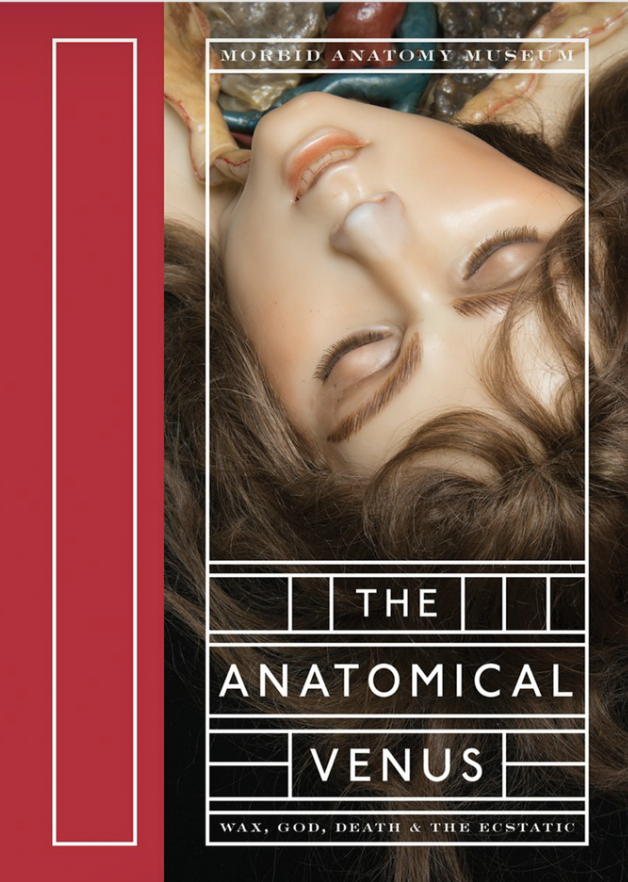
We talk about how Joanna’s lifelong interest in mortality turns into a creative project after encounters with places like the Mutter Museum, and why a Victorian hair locket or a wax anatomical model can be read as art, history, and human experience rather than shock. From there, we dig into how modern American culture became so skilled at death denial: germ theory and hygiene fears, mass death from World War I and the influenza epidemic, religion moving to the background, and the professionalization of dying as bodies leave the home and disappear behind institutional doors. When we stop seeing death, Joanna argues, we don’t become healthier we become more afraid.
The pendulum is swinging back, and we explore why, from COVID to the rise of green burial, human composting, and the wider death positive movement. Joanna shares her memento mori approach as a practical 12-week practice with prompts and activities that help us clarify what matters, reduce fear, and live more intentionally. We also connect death planning to legacy planning: Swedish death cleaning, writing your own obituary, gathering key information for loved ones, and treating preparation as a genuine act of care.